How Professional Cleanings Support Periodontal Treatment in Ventura
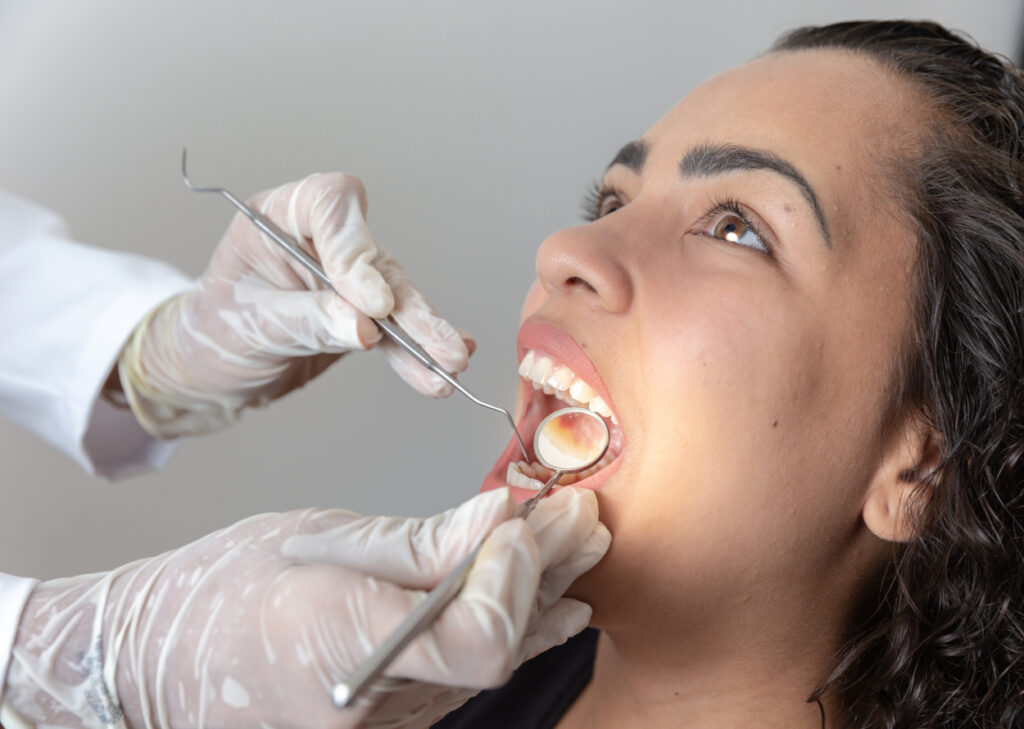


Gum disease rarely announces itself with drama at first. More often, it starts quietly. A little bleeding when you floss. Breath that seems harder to freshen. Gums that look puffy along a few back teeth. By the time many patients seek care, the issue is no longer simple gingivitis. It has moved into periodontal disease, where inflammation reaches deeper tissues and begins to affect the bone and ligament that hold teeth in place.
That shift matters, because periodontal treatment is not a one-visit fix. It is an ongoing process of controlling bacterial load, reducing inflammation, helping tissues heal, and keeping the disease from becoming active again. In that process, professional cleanings do far more than polish teeth. They create the clinical conditions that make treatment work.
For patients searching for Periodontal Treatment Ventura practices offer, this is one of the most important points to understand. Treatment for gum disease depends on what happens between major procedures. The regular, carefully timed cleaning appointments are often what determine whether the mouth stabilizes or keeps slipping backward.
Why cleanings matter more once gum disease is present
A standard dental cleaning in a healthy mouth is largely preventive. The goal is to remove tartar and plaque before they trigger lasting damage. In a patient with periodontal disease, professional cleanings take on a different role. They become therapeutic.
Periodontal disease changes the landscape under the gumline. Pockets form between the tooth and the surrounding tissue. These deeper spaces trap bacteria in places a toothbrush cannot reach. Even patients with excellent home care cannot clean several millimeters below the gums consistently on their own. Once hardened deposits collect there, only professional instruments can remove them safely and effectively.
That is why a cleaning schedule that worked fine for years, often every six months, may no longer be enough. A patient with periodontitis can build up harmful bacteria in a much shorter time. If those colonies remain undisturbed, inflammation reactivates, tissue attachment weakens, and pocket depths can increase again.
In practice, this is something clinicians see often. A patient completes scaling and root planing, improves home care, and comes back in three or https://milogsyh512.cavandoragh.org/periodontal-treatment-ventura-and-the-warning-signs-of-gum-disease four months looking much better. The gums are firmer, bleeding has dropped, and measurements are more stable. Another patient has the same initial treatment but waits eight or nine months for follow-up. The second mouth almost always tells a different story. More bleeding. More tartar. More tenderness during probing. Sometimes there is fresh bone loss on radiographs that could have been prevented.
Professional cleanings and periodontal treatment are not separate services
Many patients assume periodontal therapy is one phase, then regular cleaning is something else. Clinically, they are linked. Deep cleaning, periodontal maintenance, and ongoing reassessment are parts of one long treatment arc.
The first active phase of care often involves scaling and root planing, sometimes called deep cleaning. During that process, the clinician removes plaque, tartar, and bacterial toxins from below the gumline and smooths the root surfaces so tissue can reattach more effectively. But root planing does not make a patient immune to new accumulation. The mouth is still vulnerable. The bacterial environment can repopulate quickly, especially in deeper pockets, around crowded teeth, near old restorations, and in areas where dexterity is limited.
Professional cleanings after active therapy are designed to interrupt that cycle before it regains momentum. They are not simply cosmetic appointments. They are the maintenance phase of disease control.
This distinction matters when patients compare recommendations. Someone with a history of periodontitis may hear from a friend that they only go twice a year and do fine. That comparison is not useful. Once a patient has lost attachment or bone support, the risk profile changes. The goal is no longer basic prevention alone. It is prevention plus disease suppression.
What happens during periodontal maintenance
A periodontal maintenance visit is more targeted than the cleaning a person with healthy gums might receive. It usually includes an updated review of symptoms, visual exam of the gum tissue, bleeding assessment, pocket measurements where needed, removal of plaque and tartar above and below the gumline, and polishing when appropriate. In some cases, localized antimicrobial therapy or site-specific treatment may be discussed if certain pockets are not responding.
The most valuable part of these visits is often the reassessment. Gum disease is not static. It can improve significantly with treatment, then flare in a few isolated sites months later. A patient may feel fine and still have active inflammation around one molar or under a bridge. Professional cleanings create the opportunity to catch those changes early, when they are more manageable and less expensive to address.
Patients are often surprised by how specific these visits become. A clinician may spend extra time around lower front teeth where tartar tends to harden rapidly, or around upper molars where furcation areas make access difficult. If there is a crown margin that traps plaque or a retainer wire that makes flossing harder, those details shape the cleaning approach. Good periodontal care is rarely generic.
Timing is one of the biggest factors in success
The interval between maintenance visits is not arbitrary. It is based on how fast bacteria return, how deep residual pockets are, whether the patient smokes, whether diabetes is well controlled, how effective home care is, and whether there are anatomical challenges such as recession, crowding, implants, or bridgework.
A three-month interval is common after active periodontal therapy because it lines up with what clinicians know about bacterial repopulation and tissue response. Some patients can move to four months and remain stable. Others need closer observation for a while, particularly if inflammation lingers or life circumstances interfere with home care.
This is where judgment matters. Over-treating wastes time and money. Under-treating risks tooth support that cannot be replaced naturally. In real practice, the right interval is the shortest one that keeps the disease quiet without creating unnecessary appointments.
There is also a behavioral side to timing. Patients who come in every three to four months often stay more engaged with their brushing and interdental cleaning. The feedback loop is shorter. They know someone will recheck the bleeding spot behind that molar. They are more likely to stick with tools that actually work. Long gaps make it easier for old habits to return.
Ventura patients often face a few practical realities
Every community has its own rhythm, and Ventura is no exception. Busy family schedules, commuting patterns, outdoor lifestyles, and delayed care due to cost concerns all affect how consistently people follow up. Some patients wait until a tooth feels loose or gums become visibly swollen before they call. By then, the treatment conversation is usually more complex.
Another real-world issue is that gum disease often coexists with other needs. A patient may need crown work, implant planning, orthodontic alignment, or replacement of old fillings that trap plaque. If the periodontal condition is not stabilized first, those treatments become less predictable. Dentists and periodontists generally want the gums as healthy as possible before moving into restorative work, because clean, non-inflamed tissue gives more reliable impressions, better healing, and a lower risk of complications.
That is why a recommendation for ongoing maintenance should not be viewed as an optional add-on. For many patients pursuing Periodontal Treatment Ventura providers recommend, maintenance cleanings are what protect every other investment in the mouth.
What cleanings can and cannot do
Professional cleanings are powerful, but they are not magic. They work best when patients understand both their value and their limits.
They can reduce bacterial burden, remove mineralized deposits, lower inflammation, help pockets stabilize, and reveal areas that need further treatment. They can make home care more effective by eliminating the rough surfaces where plaque readily sticks. They can also buy time for a patient trying to avoid more invasive therapy.
They cannot rebuild bone that has already been lost. They cannot compensate indefinitely for heavy smoking, uncontrolled diabetes, or months of absent home care. They cannot always resolve very deep defects, advanced furcation involvement, or teeth with poor long-term prognosis.
This distinction is important because some patients hope that if they simply come in often enough for cleanings, the disease will reverse completely. The better way to think about it is control rather than cure. Periodontal disease can usually be managed very well, often for many years, but it requires teamwork and consistency.
Signs a patient may need more than a routine cleaning
A mouth that looks clean at a glance can still show signs that gum disease is active. During treatment planning, clinicians pay attention to patterns rather than any single symptom. A little bleeding once in a while is not the whole story. Repeated bleeding in the same areas, especially with deeper pockets, is more concerning. So is persistent bad breath despite good brushing, new gum tenderness, food packing between teeth, or subtle shifting in tooth position.
These findings often push the conversation beyond a regular prophylaxis and toward more focused periodontal care:
- pocket depths that remain elevated or increase over time
- bleeding on probing in multiple sites
- recurrent tartar accumulation below the gumline
- radiographic evidence of bone loss
- mobility, recession, or isolated sites that do not respond to home care
This is one reason self-diagnosis falls short. Patients can be very diligent and still miss the structural signs of disease progression. Cleanings give clinicians repeated opportunities to compare the mouth over time, which is how progression is often recognized.
The relationship between home care and professional care
Patients sometimes hear two conflicting messages. One is that what matters most is what you do at home. The other is that you need regular professional maintenance. Both are true.
Home care controls plaque every day, which is essential because bacteria begin reforming on tooth surfaces within hours. Professional care reaches what home tools cannot, removes hardened deposits, and monitors disease activity in a trained way. One without the other is usually not enough for a patient with established periodontitis.
The quality of home care matters more than the quantity. Brushing harder does not help if the angle is wrong. Flossing occasionally before an appointment does not meaningfully change tissue health. Patients often do better when recommendations are specific. A powered brush may work better for someone with limited hand strength. Interdental brushes may outperform floss in open spaces. A water flosser can be useful around implants, bridges, or periodontal pockets, though it usually works best as an addition rather than a total substitute.
A short, realistic routine followed consistently beats an ambitious routine abandoned after a week. This is where maintenance visits become educational, not just procedural. A hygienist or periodontist can look at where inflammation persists and connect it to the exact places a patient is missing. That kind of personalized correction is hard to get from generic advice online.
When cleanings support surgery, and when they help avoid it
Not every patient with periodontal disease needs surgery. Many stabilize well with non-surgical therapy and disciplined maintenance. But when surgery is recommended, cleanings still play a major role.
Before surgery, reducing inflammation improves tissue quality and helps clarify which sites truly need intervention. Inflamed gums can exaggerate pocket readings and obscure the underlying architecture. After surgery, maintenance protects the result. Whether the procedure involves flap surgery, bone grafting, or regeneration in selected defects, the long-term outcome depends heavily on plaque control and follow-up care.
There is also a quieter success story that happens often in practice. A patient starts with several borderline areas, improves home care, attends maintenance consistently, and avoids surgery altogether because the tissues respond better than expected. That does not happen in every case, but it happens often enough to matter. Cleanings create the conditions for that improvement.
The cost question patients often ask
One of the most common practical concerns is whether more frequent cleanings are really worth the expense. The honest answer is that they are, particularly when compared with the cost of disease progression.
Replacing even one compromised tooth can involve extraction, grafting, an implant, a bridge, or a removable option, each with its own cost and maintenance needs. Add time away from work, recovery, and the functional impact of losing chewing support, and prevention begins to look far less expensive.
That said, treatment planning should still be individualized. Not every patient needs the same frequency forever. A patient who has been stable for years, with low bleeding scores and shallow maintenance pockets, may be managed differently from someone with recurrent inflammation and complex restorations. Good care balances biology with practicality.
Patients can also ask useful questions at maintenance visits. Are the same sites bleeding each time, or are things improving? Have pocket depths changed? Is there a part of my routine that is not working? Those answers help patients understand what they are paying for. The value is not just debris removal. It is disease surveillance and control.
What to expect if you are starting treatment
For someone newly diagnosed, the process can feel unfamiliar, especially if previous dental visits were straightforward. It helps to know the usual rhythm. There is typically an examination phase, measurements of the gums, radiographs if needed, active treatment such as scaling and root planing, then a reevaluation after healing. From there, a maintenance schedule is set based on risk and response.
Most patients notice some combination of changes fairly quickly after treatment begins. Bleeding decreases. The gums feel less tender. Breath improves. Some areas may look slightly longer because swelling has gone down and recession becomes more visible. That can be unsettling, but it often reflects healthier tissue contour rather than new damage.
The key questions patients should keep in mind are simple:
- Is inflammation decreasing?
- Are pocket depths stable or improving?
- Am I able to keep difficult areas cleaner between visits?
- Does my maintenance interval make sense for my current risk?
- Are there any teeth or sites that need additional attention?
Those questions keep the focus where it belongs, on stability over time.
Why consistency changes the long-term picture
The long view of periodontal care is rarely dramatic. Teeth are not usually saved by one heroic appointment. They are saved by dozens of ordinary decisions made repeatedly. Showing up at the recommended interval. Replacing a worn brush head. Using the interdental cleaner that actually fits. Addressing a bleeding area early instead of waiting a year.
This is where professional cleanings earn their reputation. They keep the disease from regaining ground silently. They reduce the bacterial pressure that drives inflammation. They allow clinicians to detect small changes before those changes become tooth-threatening problems. They reinforce habits that patients struggle to sustain on their own. And they connect every other part of periodontal treatment into a workable long-term plan.
For patients navigating Periodontal Treatment Ventura dental teams provide, that ongoing maintenance is not a footnote. It is the support system that gives treatment durability. Without it, even good initial therapy can unravel. With it, many patients keep their teeth comfortable, functional, and stable for years longer than they expected.
Avra Dental
Address: 1708 S Victoria Ave B, Ventura, CA 93003
Phone number: (805) 941-1001
FAQ About Periodontal Treatment Ventura
Can a dentist get rid of periodontal disease?
A dentist or gum specialist (periodontist) cannot fully cure or reverse advanced periodontal disease (periodontitis), but they can successfully stop its progression and manage the infection.
Is periodontitis very serious?
Yes, periodontitis is a very serious, advanced form of gum disease that destroys the bone and tissues supporting your teeth.
How is stage 2 periodontal disease treated?
Stage 2 periodontal disease (early to moderate periodontitis) is primarily treated with non-surgical deep cleaning procedures like scaling and root planing to remove bacteria and tartar below the gumline.